

Authors File Objections to Anthropic Book Settlement, Citing Misleading Notice and Pressure to Waive Rights
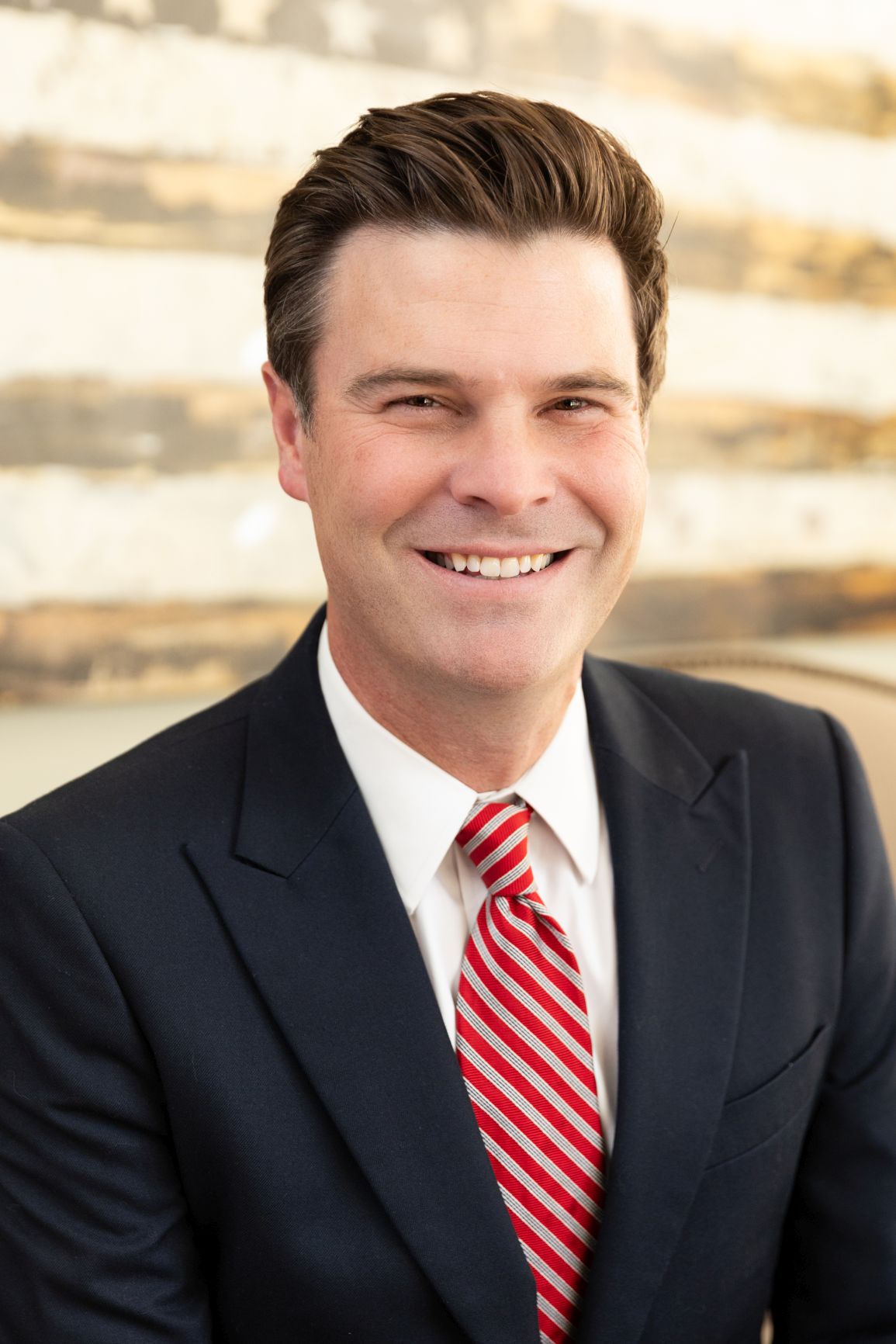
James H. Bartolomei, III
Objectors ask the Court to revise the Class Notice and extend deadlines, contending the current Notice fails to fully disclose all available remedies.
Authors should be given clear, accurate information about what they are giving up to participate in the settlement. Without proper notice, it is not really a choice at all.”
SAN FRANCISCO, CA, UNITED STATES, January 23, 2026 /EINPresswire.com/ -- Two authors, both class members in Bartz v. Anthropic, Case No. 3:24-cv-05417-AMO, have filed objections in federal court challenging a proposed class action settlement with artificial intelligence company Anthropic. The objections allege that the Class Notice sent to authors is misleading and fails to adequately disclose the legal rights authors would give up by participating in the settlement.— James H. Bartolomei, III
According to the filings, the Class Notice presents authors with what the objectors describe as a “false binary” choice: accept the settlement payment or opt out and “get nothing.” The objections argue that this framing omits a critical point—that authors who opt out retain the right to bring individual lawsuits seeking statutory damages of up to $150,000 per infringed book if willful infringement is proven. The objections further state that the settlement’s class definition is limited to books that already meet the statutory prerequisites for statutory damages.
The objections were filed by attorney James H. Bartolomei III, Of Counsel at the Duncan Firm, P.A., on behalf of authors Brenda Hampton and Chinonto “Chino” Chakanga. Hampton is the author of 25 books identified as part of the alleged infringement, while Chakanga is the author of one.
The objections cite Hampton’s situation as an example. Under the settlement, Hampton’s estimated recovery would be approximately $75,000, based on $3,000 per book. By contrast, statutory damages could total as much as $3.75 million if she pursued an individual case and a jury found willful infringement across the 25 books. While such damages are not guaranteed, the objections argue that class members should be clearly informed of the statutory-damages remedy available for books that fall within the settlement’s class definition.
Chakanga’s objection also raises concerns about timing. Key court filings—including summary judgment motions, class certification briefs, expert declarations, and other evidence the objectors contend supports willful infringement—remained under seal until January 21, 2026, just days before the January 29, 2026 opt-out deadline.
The objections ask the court to require a revised, neutral notice that more clearly explains authors’ options and legal rights. Chakanga’s objection also requests that the opt-out deadline be extended by at least 60 days to allow authors time to review the unsealed record and consult counsel of their choice.
“Authors should be given clear, accurate information about what they are giving up—and what the law allows them to pursue if they choose to file their own case,” Bartolomei said in a statement. “Authors did not get a choice when their books were pirated, but they get a choice now. They should be clearly told that, or it is not really a choice at all.”
It is not yet clear whether the court will rule on the objections before the January 29 opt-out deadline. Authors can search online here to determine whether their books are included in the settlement class.
James H. Bartolomei, III
Duncan Firm, P.A.
+1 501-228-7600
copyright@duncanfirm.com
Legal Disclaimer:
EIN Presswire provides this news content "as is" without warranty of any kind. We do not accept any responsibility or liability for the accuracy, content, images, videos, licenses, completeness, legality, or reliability of the information contained in this article. If you have any complaints or copyright issues related to this article, kindly contact the author above.
